Body composition in athletes: effective tools
Author: Johana Montoya.
Area: Sports Nutrition.
Date of publication: 23-08-2023.
Why perform a body composition analysis?
Studying body composition is one of today's most interesting topics. Beyond its aesthetic purposes, it plays a very important role in maximizing physical performance when exercising. At the same time, it serves as a tool to evaluate the health of the athlete, providing data on the risk or not of developing a disease.
Body composition analysis assesses in detail the human body, its size, distribution, shape, composition, function and state of biological maturity. In addition, it helps to understand the key processes that relate to muscle mass gain and fat loss. This tool also helps to evaluate how effective the nutritional plan (or diet) being followed is.
Finally, it provides essential data on the percentages of muscle mass and fat, and the regulation of body fluids. Also, the total distribution of all these elements in the upper and lower limbs and other details that we will see later.
How is body composition measured?
Measuring body composition goes beyond a simple weight-to-height ratio. It is common to find thin people with a high percentage of body fat. Also, with a waist circumference above normal, with accumulated visceral fat or low percentage of muscle mass.
For this reason, in the medical and nutritional field, the most common tools for measuring body composition are Bioimpedance (or BIA) and anthropometry. The latter is used to obtain the dimensions and physical proportions of the human body through the measurement of folds and perimeters.
Both techniques provide science-backed, objective data on the structure and demands of the individuals being evaluated. Both determine two important elements of the body: fat mass and fat-free mass (or lean mass). Lean mass includes bone, skin, organs and muscle, and the percentage of water in each tissue.
When it comes to changes with fat-free mass, it is common to think that it is only about muscle. This misconception arises because the most noticeable changes usually occur precisely in the muscle mass. However, the human body is not limited to muscle and fat.
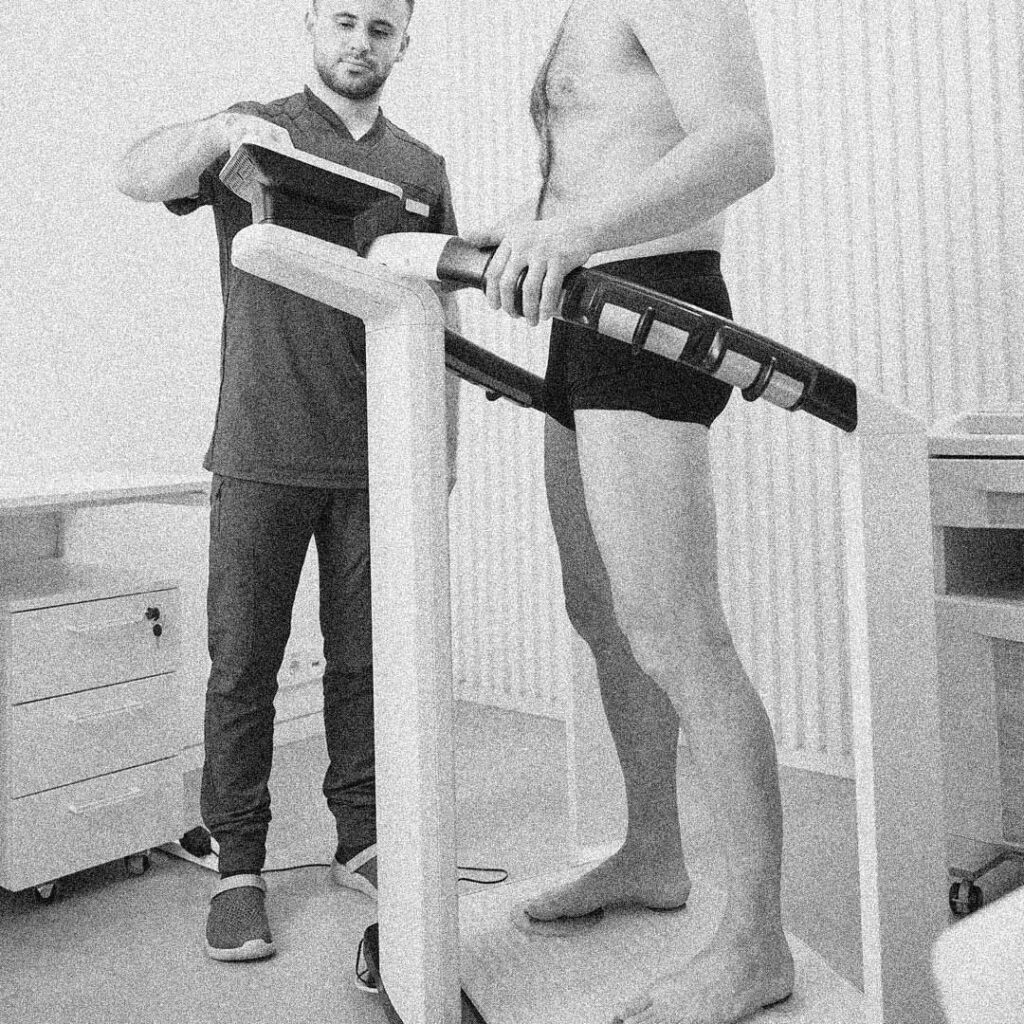
Bioimpedance uses high technology to measure body composition based on the electrical conduction of tissues. For this, it takes as a basis the tissues with the highest water content, such as muscles. However, its effectiveness depends on following the protocol to the letter.
Since bioimpedance is a very sensitive and accurate tool, it is crucial that the person in charge of collecting the data is properly trained. This ensures that the results are analyzed knowledgeably and interpreted and used appropriately. In addition, it is essential to have the most suitable equipment.
Although there are many devices on the market that promise to measure body composition by bioimpedance, including scales and hand-held electrodes, their effectiveness is limited. This is due to their small number of contact points, which limits their ability to fully assess a person's body. In addition, the lack of adequate guidance for users on how to use them at home and how to interpret the data obtained exacerbates the situation.
What factors can affect the measurement of body composition?
To assess body composition, protocols are implemented to minimize errors in the results.
For both bioimpedance and anthropometry it is essential to guarantee a previous resting time without intense exercise.
In the case of bioimpedance it is essential to maintain adequate hydration the day before. This is because if the person has low levels of hydration, it can mark more fat percentage than the real one.
It is also important to restrict food or liquid intake for at least 3 hours before the measurement.
In women it is important to consider the hormonal fluctuation of the menstrual cycle when performing bioimpedance. During the phase before menstruation, known as the luteal phase, it is common to have increased fluid retention. This can influence body weight and lead to a possible elevated muscle mass measurement.
In addition, it is important to control the consumption of diuretics, tobacco, tea or coffee as they can affect the body weight and the electrical conduction of the equipment.
How to improve Body Composition?
Body composition represents the starting point of what we require in terms of energy and nutrition. With this data, it is possible to create a balanced nutritional plan tailored to personal goals. This should be accompanied by a tailored, dosed and targeted exercise plan.
Those seeking to lose body fat or reduce their weight need adequate and controlled caloric restriction, tailored to their lifestyle and total requirements. This varies whether they are starting from a healthy weight, overweight or obese.
Those who seek to increase their muscle mass need a caloric surplus, that is, to provide more calories than needed. This must be complemented with exercise, since the aim is to gain muscle mass at the expense of decreasing the fat present, even if it is slight.
Take your physical performance to the maximum when you exercise with body composition analysis. At Biuman, we combine cutting-edge technology with the right training to serve the human body. Our sports nutritionist is highly trained to use the results of the body composition analysis to design a personalized nutrition and training plan.
Book your appointment via WhatsApp +573125382342
We are ready to help you reach your goals!
Sources:
García Almeida, J. M., Garcíaa García, C., Bellido Castañeda, V., & Bellido Guerrero, D. (2018). New approach to nutrition. Assessment of the patient's nutritional status: Function and body composition. Nutrición Hospitalaria, 35(3), 1-14.
Silva, A. M., Campa, F., Stagi, S., Gobbo, L. A., Buffa, R., Toselli, S., Silva, D. A. S., Gonçalves, E. M., Langer, R. D., Guerra-Júnior, G., Machado, D. R. L., Kondo, E., Sagayama, H., Omi, N., Yamada, Y., Yoshida, T., Fukuda, W., Gonz, Machado, D. R. R. L., Kondo, E., Sagayama, H., Omi, N., Yamada, Y., Yoshida, T., Fukuda, W., Gonzalez, M. C., Orlandi, S. P., ... Marini, E. (2023). The bioelectrical impedance analysis (BIA) international database: Aims, scope, and call for data. European Journal of Clinical Nutrition. https://doi.org/10.1038/s41430-023-01310-x
Recommended reading:
Aragon, A. A., Schoenfeld, B. J., Wildman, R., Kleiner, S., VanDusseldorp, T., Taylor, L., Earnest, C. P., Arciero, P. J., Wilborn, C., Kalman, D. S., Stout, J. R., Willoughby, D. S., Campbell, B., Arent, S. M., Bannock, L., Smith-Ryan, A. E., & Antonio, J. (2017). International society of sports nutrition position stand: diets and body composition. Journal of the International Society of Sports Nutrition, 14(1), 16. https://doi.org/10.1186/s12970-017-0174-y
Jagim, A. R., Fields, J. B., Magee, M., Kerksick, C., Luedke, J., Erickson, J., & Jones, M. T. (2021). The Influence of Sport Nutrition Knowledge on Body Composition and Perceptions of Dietary Requirements in Collegiate Athletes. Nutrients, 13(7), 2239. https://doi.org/10.3390/nu13072239