VO2 max: a guide to understanding your health and performance
Area: Sports Medicine
Entry: October 17 2023
What is VO2max and why should you care?
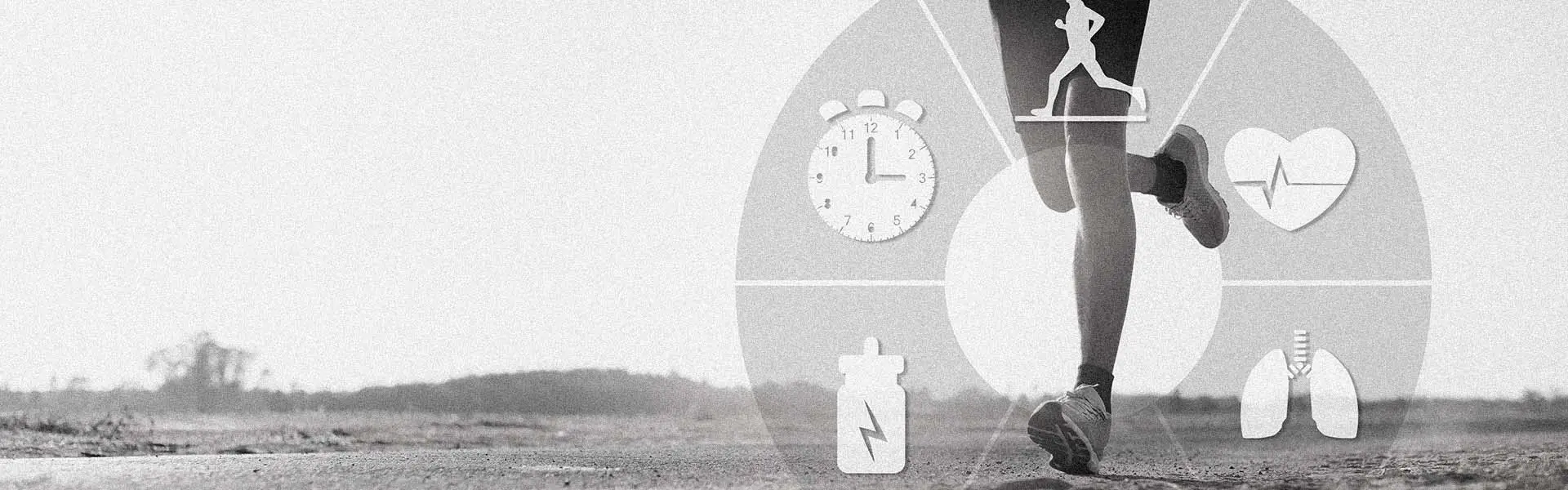
VO2max, or maximal oxygen uptake, is a key indicator of our cardiac capacity and physical endurance. It represents the maximum amount of oxygen that our body can consume and use per unit of time during intense and prolonged physical exercise. It is expressed in milliliters of oxygen per kilogram of body weight per minute (mL/kg/min).
This number speaks indirectly to our ability to breathe. It also talks about how our muscles, heart and lungs work together to transport and utilize the oxygen needed during physical activity.
In summary, VO2max is an integral indicator of our cardiac health, lung capacity, muscle strength and metabolism.
Some data on VO2max:
- In general, the higher your VO2max, the better your health. Values above 35 mL/kg/min allow us to maintain an active life without difficulty.
- VO2max changes with age. This measure tends to peak around age 35 and then declines over time.
- Exercise can easily improve the VO2max of an untrained person. Increasing it by as little as 3.5 mL/kg/min can significantly reduce the risk of metabolic disease, heart disease, cancer and death.
- Regular physical exercise, especially cardiovascular exercise, can increase VO2max by 10% in as little as three months. Although trained individuals have a stable VO2max, they can improve other aspects of their respiratory capacity.
- High-performance athletes in disciplines such as cycling, athletics or triathlon often have a VO2max above 60 mL/kg/min.
- It is not enough just to have a high VO2max. Although it is a crucial indicator, a high aerobic capacity does not immediately guarantee sports results. Exercise is essential.
- Not training or leading a sedentary lifestyle can cause your VO2max to gradually decrease. This negatively affects your physical capacity and your health.
How is VO2max measured?
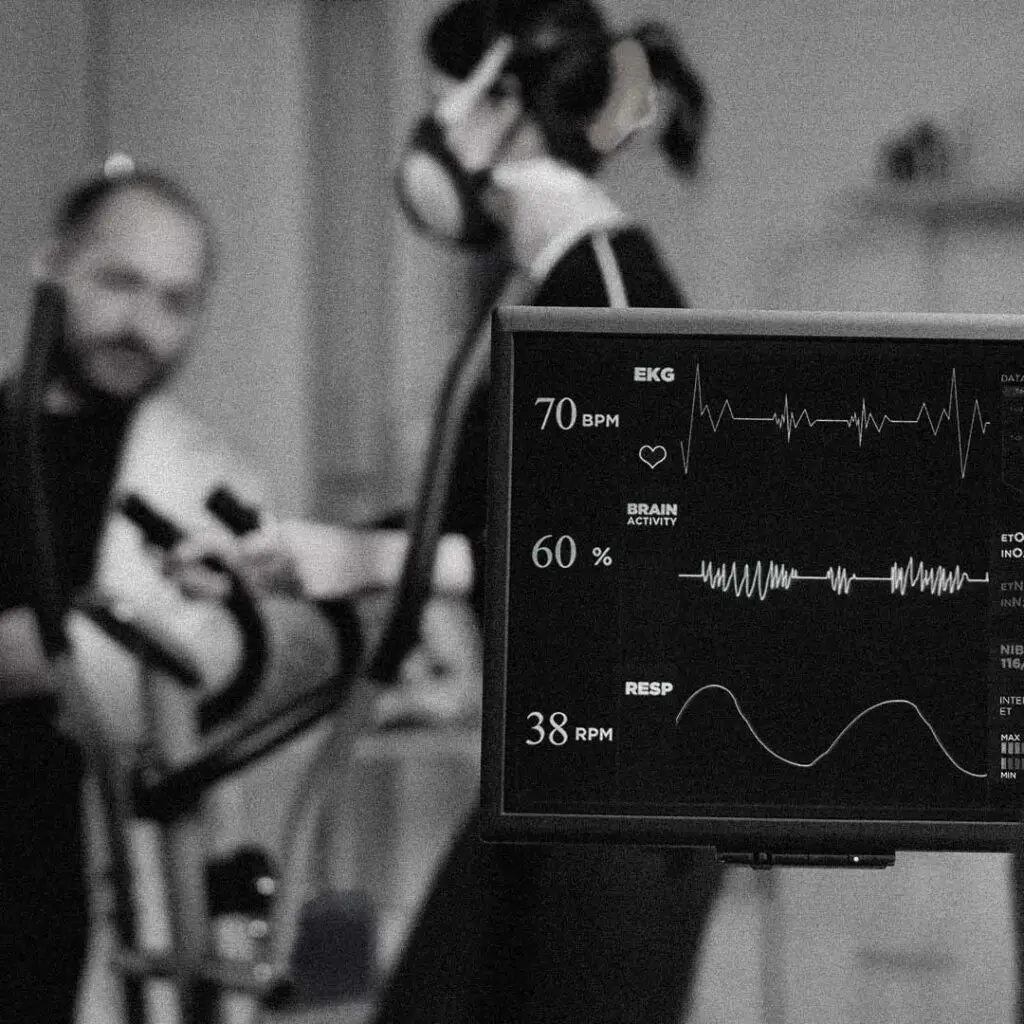
An individual is usually subjected to a controlled and progressive stress while the amount of inhaled oxygen and exhaled carbon dioxide is measured.
There are two main approaches to measuring this ability to consume oxygen:
- Direct methods: use masks that evaluate gas exchange while performing high-intensity exercise in a progressive manner.
- Indirect Methods: estimate VO2max through formulas based on factors such as age, gender, exercise level and other variables.
Direct methods are the most accurate for measuring VO2max. However, for a long time, their access was restricted to high performance athletes in a sports laboratory or clinical setting. This is due to the high cost of the equipment, the technology required and the need for experts.
Fortunately, this situation has now changed. It is becoming easier and easier to find services that offer high quality and accurate direct measurements to a wider audience.
Indirect methods have been used as an option in the face of the complexity of direct methods. However, their accuracy is limited because the equations they use are valid only for populations similar to those of the original study. This makes it difficult to apply these equations reliably to most people.
For example, smart sports watches often use equations to estimate the VO2max of athletes. The problem is that their margin of error can be 10% to 20%. This makes the data not fully reliable to evaluate and track properly.
In direct method testing, the athlete is subjected to the exercise best suited to his or her ability, such as running or cycling. In addition, this is done progressively up to maximal effort. This ensures an accurate and reliable measurement of VO2max, which can be critical to understanding and improving physical endurance and overall health.
Who should have a VO2max test?
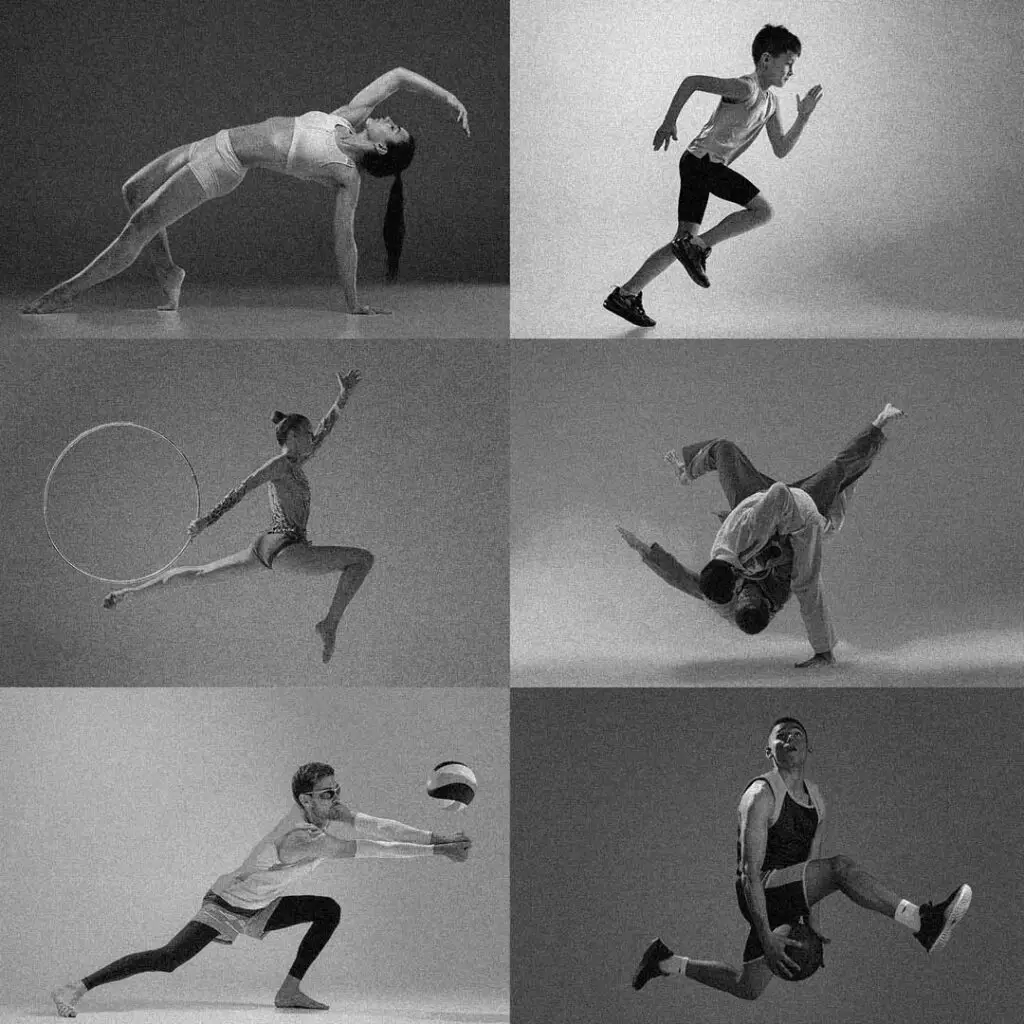
Today, VO2max measurement is considered a vital indicator for men and women of all ages and physical conditions.
Although it is considered a test for high-performance athletes, in reality all people with regular physical activity should consider undergoing this measurement.
The frequency of this test will depend on the objectives of each individual, their exercise plan and the suggestions of their trainer or sports doctor.
How is the VO2max test performed?
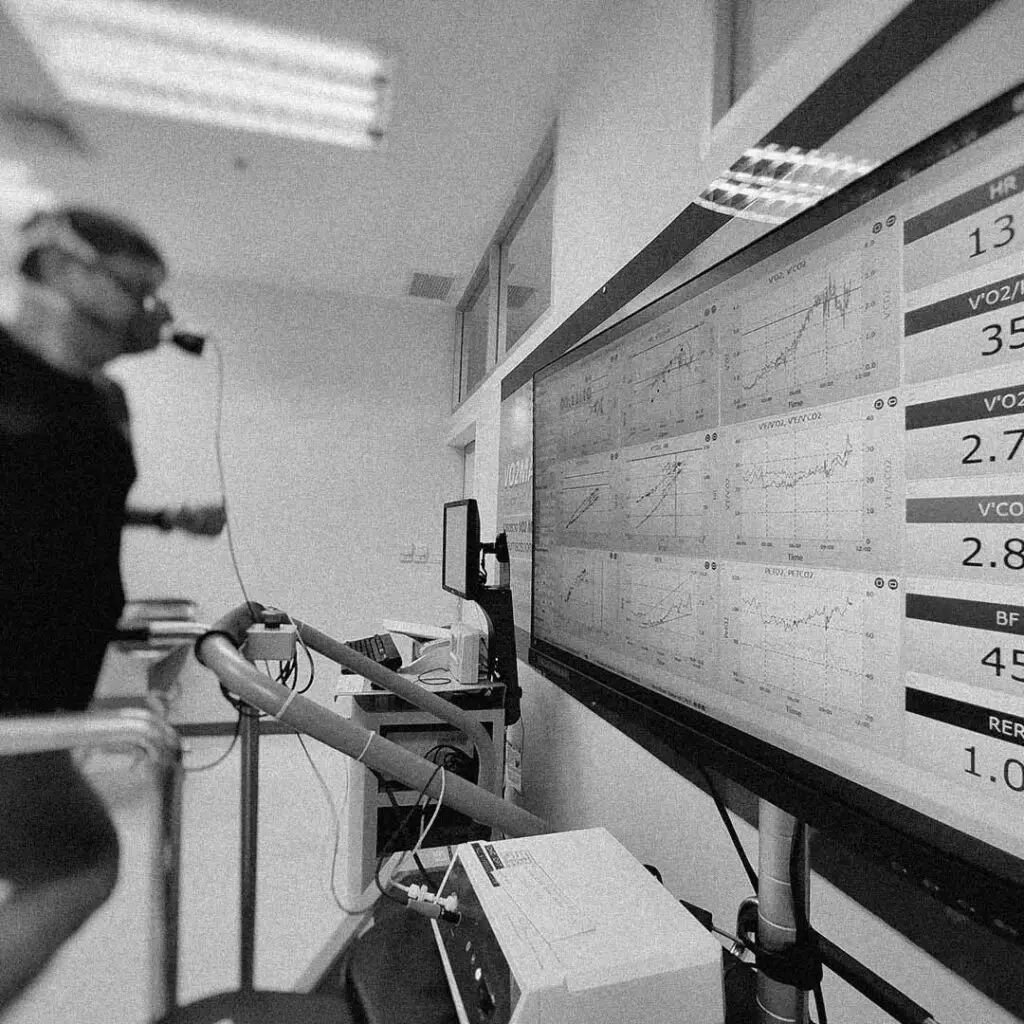
Performing a VO2max test involves cycling or running. Behind this simple process there are some previous steps to know the health status of the individual and to establish the conditions of the test.
Here we explain the step by step:
- Initial health examination: before starting, the athlete is given a questionnaire. A resting electrocardiogram is also performed to ensure that the athlete is in optimal condition for the test.
- Preparation: The athlete is equipped with the necessary devices, such as an oxygen consumption analysis mask and a heart rate sensor. These are synchronized with the cycling or jogging equipment to be used during the test.
- Warm-up: it begins with a gentle warm-up of 3 to 5 minutes, and the details of the test are explained to the athlete.
- Measurements during the test: continuous measurements of various parameters are taken. This includes heart rate, perception of effort, vo2 oxygen consumption, ventilation and biomechanical aspects. Depending on the test, power in cycling or speed and pace in running are included.
- Progressive increase of the effort: the effort starts gently and is increased in a standard way every 3 minutes until the maximum effort is reached.
- Completion: the test ends when the athlete reaches maximum effort or when the evaluator decides to suspend the test for medical or technical reasons.
- Cool down: a 5-minute cool down or cold down is performed and initial results are provided.
What do VO2max results mean?
The results obtained in the test are reviewed by a sports physician, who provides valuable data, including:
- Physical capacity or VO2max: i.e., the level of maximum oxygen consumption reached during the test.
- Respiratory thresholds (VT1 and VT2): critical points to plan your training and competitions, and to evaluate the impact of your physical preparation.
- Specific heart rate zones: defined according to your actual response during the test, not in theory.
- Estimated power zones or paces: key markers for your training.
- Suggestions: unique tips for you to help you reach your goals and improve your sports performance.
What are the constraints of a direct VO2max test?
VO2max measurement is a valuable tool for any physically active person. It is a tool that provides a comprehensive examination of health, cardiac response to exercise and training plan. However, it is important to be aware of some restrictions before undergoing the test:
- Severe cardiac problems: those with a history of severe uncontrolled cardiac problems may not be suitable for high-exertion tests, such as VO2max measurement.
- Respiratory problems: people with severe chronic respiratory disease may have difficulty during the test.
- Uncontrolled hypertension: uncontrolled high blood pressure can increase the risk of mishaps during a physical capacity test.
- Recent injuries: in the event of a recent injury or surgery that prevents strenuous exercise, it is advisable to wait until you are recovered before performing the test.
- Pregnancy: VO2max tests may be too intense during pregnancy, especially in advanced stages.
- Advanced age: especially in older people who do not usually perform vigorous exercise.
- Other medical conditions that may increase risk during exercise.
Before performing a VO2max test, it is essential that the sports physician evaluates all these conditions to analyze the risks and benefits. Ensuring that everything is under control is essential before undergoing this test.
At Biuman, our doctor specialized in sports medicine accompanies you in all stages of the test. From the preliminary examination you need before the test, through support during the test, to calculating your vo2 max and interpreting your results. In addition, we have state-of-the-art technology to measure your VO2max on a bike or treadmill. We aim to optimize your training and help you fully understand your physical capacity.
Book your appointment through WhatsApp +57 3117497048 and discover with us all that your body can achieve!
Sources:
Blair, S. N., Kohl, H. W., 3rd, Barlow, C. E., Paffenbarger, R. S., Jr, Gibbons, L. W., & Macera, C. A. (1995). Changes in physical fitness and all-cause mortality. A prospective study of healthy and unhealthy men. JAMA, 273(14), 1093-1098.
Gallo-Villegas, J. A., & Calderón, J. C. (2023). Epidemiological, mechanistic, and practical bases for assessment of cardiorespiratory fitness and muscle status in adults in healthcare settings. European journal of applied physiology, 123(5), 945-964. https://doi.org/10.1007/s00421-022-05114-y